
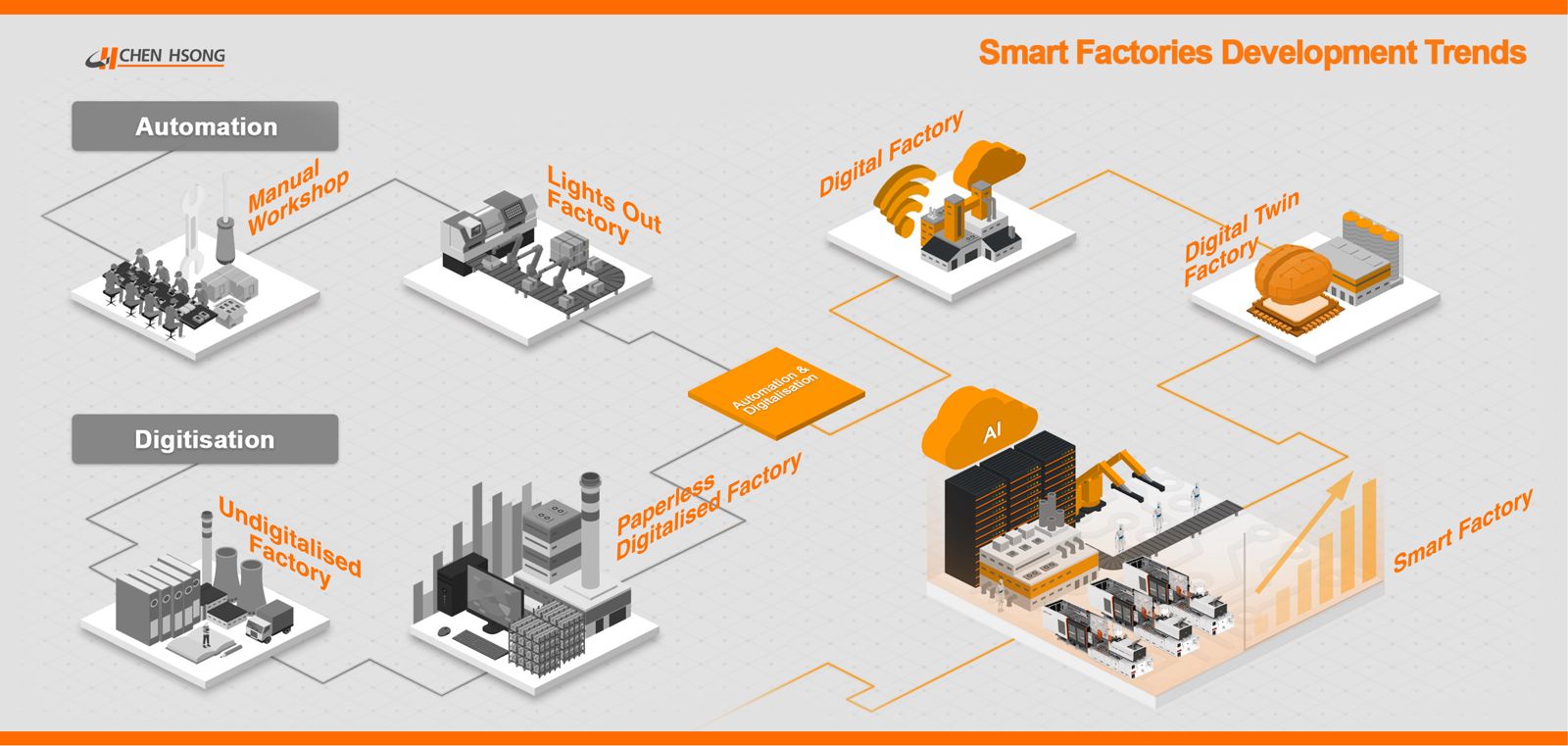
Across factories worldwide, a subtle yet seismic shift is taking place in the way goods are brought into existence – a journey from the predictable hum of machinery to the intelligent, adaptive pulse of the Smart Factory. This evolution, far from being a technological upgrade, represents a fundamental shift in how we design, produce, and manage goods. Understanding this progression, from the earliest factory workshop to the sophisticated smart factory, is essential for any business aiming to thrive in the modern industrial era.
From Manual Labour to Automated Efficiency
The story begins with the manual workshop, a world where human skill and experience are the primary drivers of production. While offering flexibility and low initial costs, this stage is inherently limited by human capacity for error, fatigue, and the sheer pace of production. The subsequent step, the lights out factory, marks a significant leap forward. Here, the fully automated factory no longer relies on human labour for production, and as such light is no longer needed. Machines take the reins of repetitive tasks, boosting speed, consistency, and safety. However, this increased efficiency often operates within predefined parameters, lacking the agility needed for true responsiveness.
The Dawn of Digitalisation: Data as the New Currency
This shift to industrial automation happens in parallel with the development of digitalised factory. The undigitalised factory, still reliant on manual records, soon gives way to the paperless digitalised factory. This pivotal stage sees the introduction of digital systems like MES (Manufacturing Execution Systems), SCADA (Supervisory Control and Data Acquisition), and ERP (Enterprise Resource Planning). Suddenly, data becomes more than just records; it's a valuable asset, enabling better process tracking and laying the groundwork for digital management. The digitalised factory emerges as the next frontier, where flexible automation is deeply intertwined with information systems. Here, data begins to demonstrate tangible application value, hinting at the powerful insights to come. But the true potential is unlocked when we move towards creating a digital mirror of the physical world.
The Rise of the Digital Twin: Industry 4.0
The digital twin factory represents a groundbreaking concept: a virtual replica of the physical factory, allowing for sophisticated simulation, predictive maintenance, and optimised process flows. This stage is about understanding and guiding the physical world through computational analysis, bridging the gap between the virtual and the real.
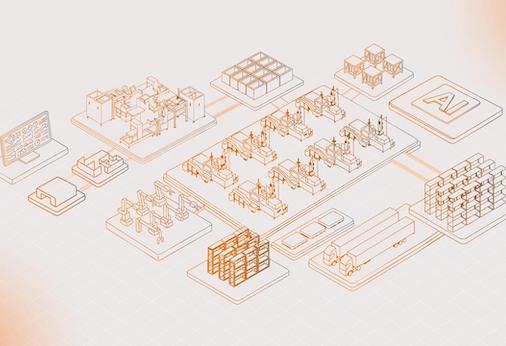
And with the digital twin factory, are are able to achieve a new breakthrough in manufacturing: The smart factory. This is not just the marriage of automation and digitalisation; it's about intelligent, adaptive operations driven by real-time data. The smart factory excels at making dynamic decisions, continuously learning, and optimising processes autonomously. It's a factory that anticipates challenges, personalises production, and adapts to market demands with unprecedented agility.
Empowering the Transition: Chen Hsong's iChen™ Smart Family
The journey to the smart factory can seem daunting, but innovative solutions are making this transformation more accessible than ever. Chen Hsong's iChen™ Smart Family exemplifies this shift. Their integrated ecosystem is designed to empower manufacturers of all sizes:
iChen™ Smart Factory: This service provided by Chen Hsong forms the essential backbone, enabling smart automation and the crucial integration of information systems with manufacturing equipment – a cornerstone of the Digital Factory. We deliver turnkey solutions to fulfill all your production needs: from a small production cell to a lights out factory.
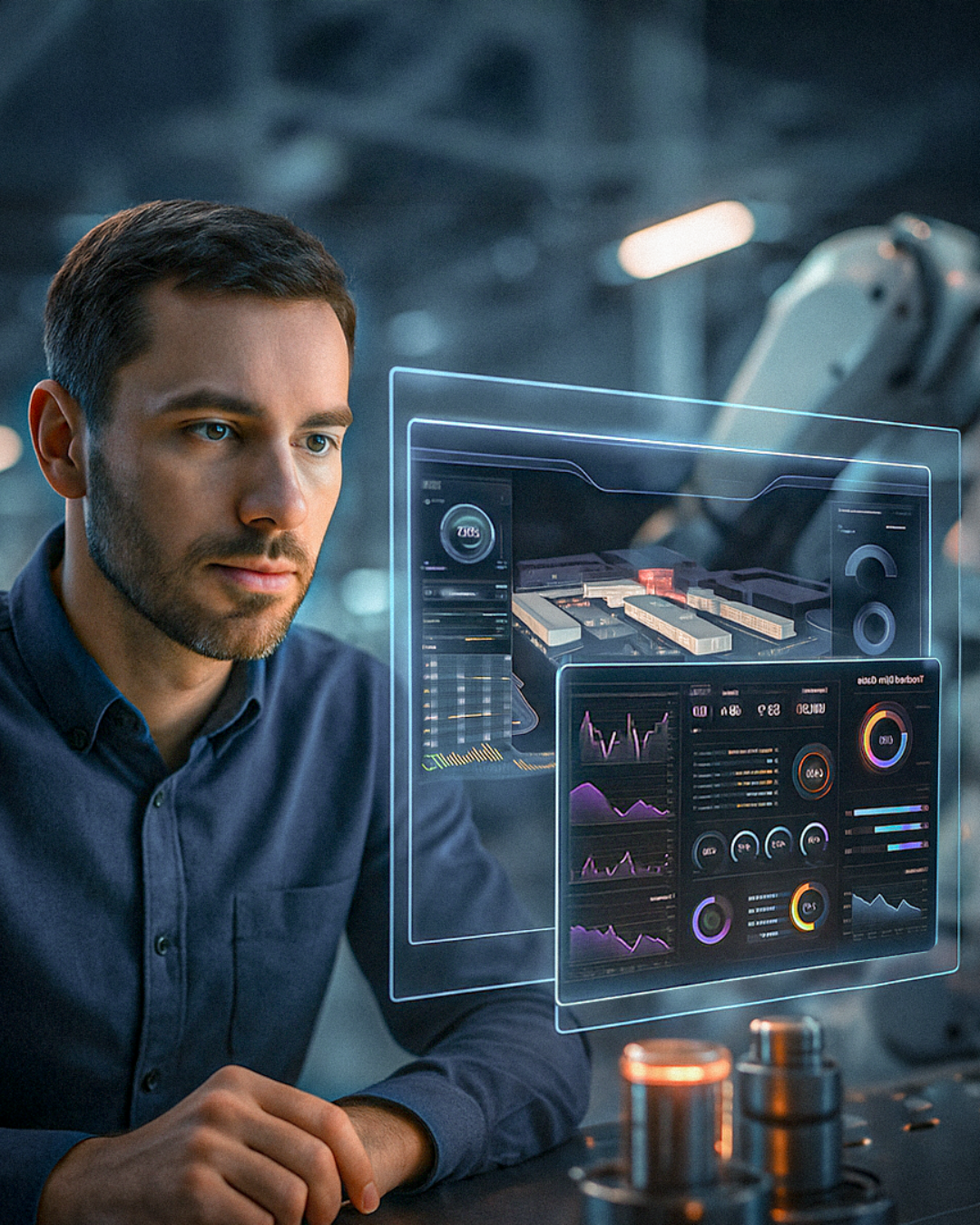
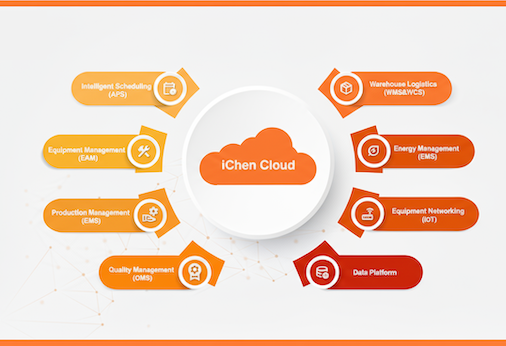
iChen™ Cloud: Acting as the "cloud-scale brain," it transforms raw data into real-time operational insights which can also be visualised through our dashboards. This is vital for the analysis and actionable intelligence required for both Digital Twin and Smart Factory operations. It allows for agile planning, streamlines processes, and allows for improved operational efficiency.
iChen™ AI Molder: This cutting-edge offering brings true intelligence to the production floor. By leveraging AI for enhanced molding precision and stability, it embodies the core principles of Industry 4.0 in the age of AI: data-driven decision-making and continuous, active learning for optimisation. AI Molder shortens mold trials, stabilizes production, improves quality consistency and automates parameter adjustment and machine tuning.
The brilliance of Chen Hsong's approach lies in its modularity and ease of deployment. This means that the complex, transformative power of Industry 4.0 is no longer the exclusive domain of large corporations. Manufacturers of any scale can now take confident steps towards building their own intelligent, adaptive, and competitive future.
Why This Evolution Matters
The inexorable trend towards industry 4.0 is driven by the fundamental need for efficiency, agility, and resilience. In a global market characterised by rapid change, fluctuating demand, and intense competition, the ability to adapt, optimise, and innovate is paramount. The iChen Smart Family offers the ultimate solution, promising reduced waste, enhanced quality, faster time-to-market, and a more sustainable production model.


















 粤公网安备 44031002000282号